

How To Setup Raid 1 Without Reinstalling Windows
When my begetter told me that he was running his estimator in Raid 0, I was dislocated as to why he would want such a configuration. To my cognition, running a Raid configuration was outdated and complicated to set up. So I did my research.
There are meaning advantages to running your computer in a raid configuration. The most mutual raid configurations for home employ are Raid 0 and Raid 1.
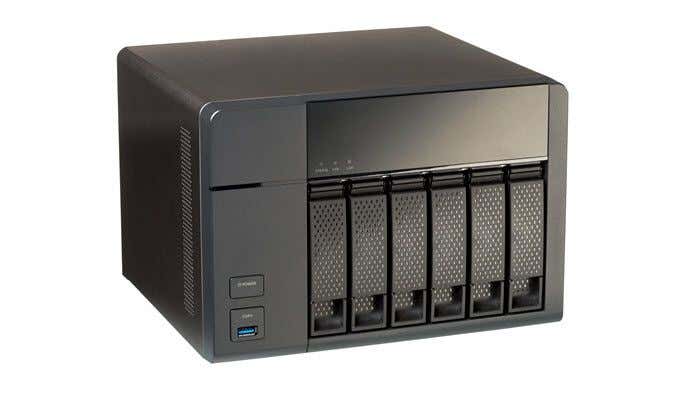
Raid 0 gives you better operation, as it focuses on distributing information evenly on multiple drives (instead of using i drive as a backup), significantly increasing read/write speeds of your machine.
Raid ane gives yous better data insurance, equally it creates an exact re-create of data from one hard drive to another, constructing full redundancy through backups. Setting up your hard drives to run in a Raid configuration is a personal determination based on your setup and you should decide which iteration is best for you. I personally prefer Raid 0, because I prioritize reckoner speed and performance over information security and back-up.
Before starting
If you're planning on implementing a raid setup on your current machine, make certain you create a backup of all of your data, as it will exist erased in the process. You lot will also demand Two separate wink drives with enough space for their respective files.
On the commencement flash drive yous volition demand to download the Raid drivers. You tin notice those hither later y'all select your machine and model. On the second flash drive yous will need to download the windows ISO. Yous tin can notice that download link here.
It's possible to install both files to a single flash drive but there have been reports of system instability during startup, so I wouldn't risk it. Permit's begin.
Setting upwardly Raid 0 or Raid 1
I briefly mentioned the benefits of each iteration of Raid, merely with all advantages in life, come their respective disadvantages. Since Raid 0 distributes your data to multiple drives, if a single drive fails, all of the data on the other drives will be gone equally well. The disadvantage of Raid 1 is that it's significantly slower than Raid 0.
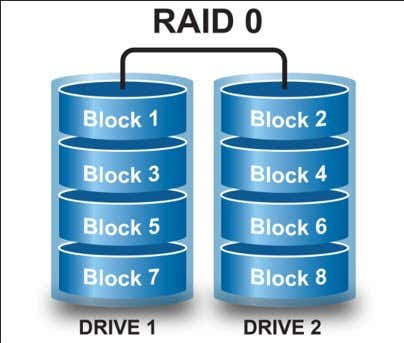
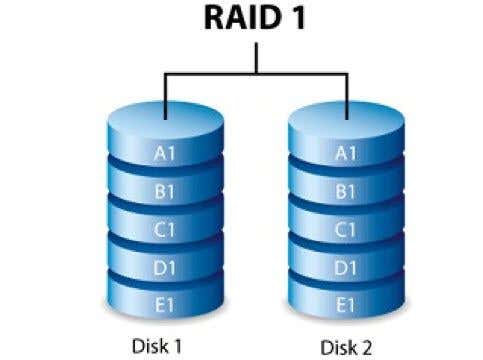
That being said, Raid 0 and Raid 1 are both super piece of cake to fix up and require basically the exact aforementioned setup process. The starting time affair y'all're going to want to do is figure out if your motherboard has a built in Raid controller (most modern motherboards do).
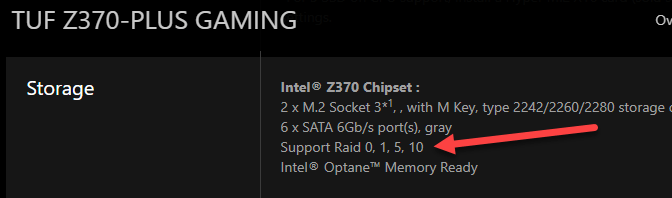
From here you should:
- Connect the drives you want to utilize
- Boot upward the machine into the BIOs
Once y'all're in that location your screen will look like the one in the picture below. From here you lot should navigate to your BIOS equivalent of the chipset. This screen will await something like this:
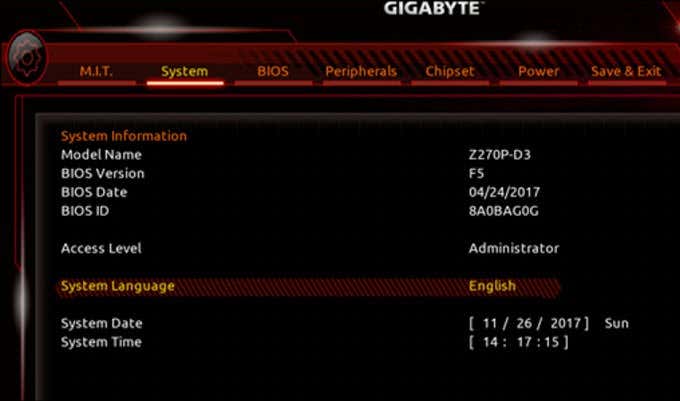
Later on navigating to your chipset your screen volition await like this:
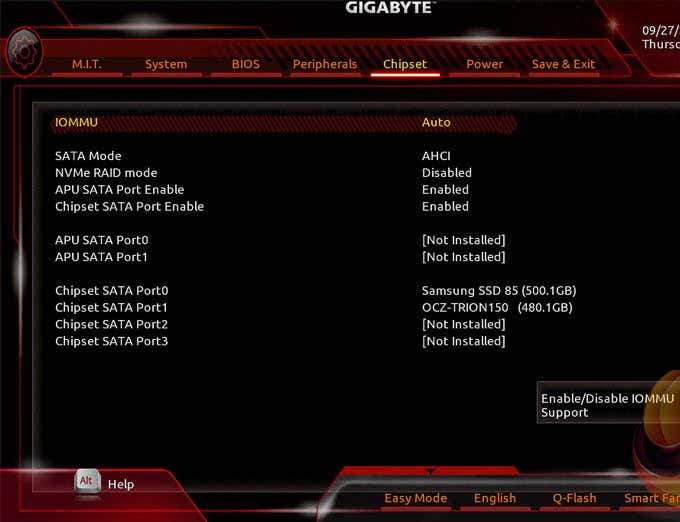
From the chipset screen, you should navigate to SATA Fashion and select RAID instead of AHCI.
You have now successfully initialized Raid on your motherboard; simply hit Save & Leave. The calculator will restart at this point and volition attempt to launch a copy of windows that isn't at that place anymore.
Only press and concord Ctrl + R to launch the Raid controller user interface (Ctrl +R for AMD, this philharmonic may vary for your setup). At this point your screen should look something like this:
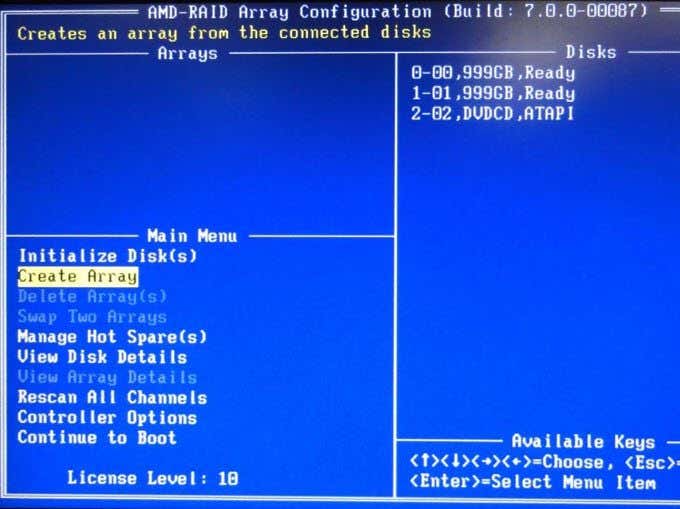
Afterward reaching this point y'all should select Create Array then select the drives y'all want to employ for the raid configuration. The drives available will be listed on the right-hand side nether Disks. Use the A or Ins central to select the drives and hit enter when you're finished configuring the disks.
After you lot've done this your screen will await like this:
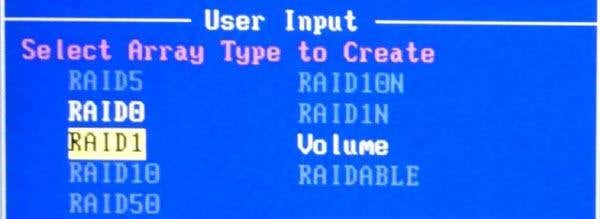
From here you tin can decide which configuration you lot desire to select. I personally selected Raid 0 just the option is yours. Later this yous volition cull the size of the assortment you want to build.
I just kept the default setting of using All Bachelor Space for my raid drives. Later this you will select the caching style, I take kept the default caching system Read/Write. This will look something like this:
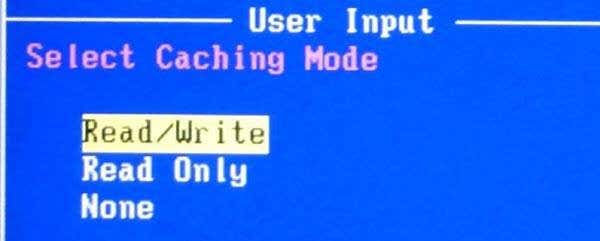
After configuring it to your liking but press C to create your array. Press Esc and Y to restart your system with your new Raid configuration.
After rebooting, navigate back to your BIOS and select your new raid configuration for the kick disk. Before hitting Save & Exit Your screen should await something like this:
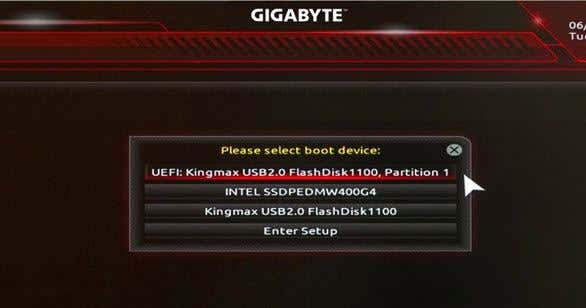
After doing this your machine will restart again. Permit it to go through the normal startup process. It volition prompt you of a driver error at which point your screen should expect like this:
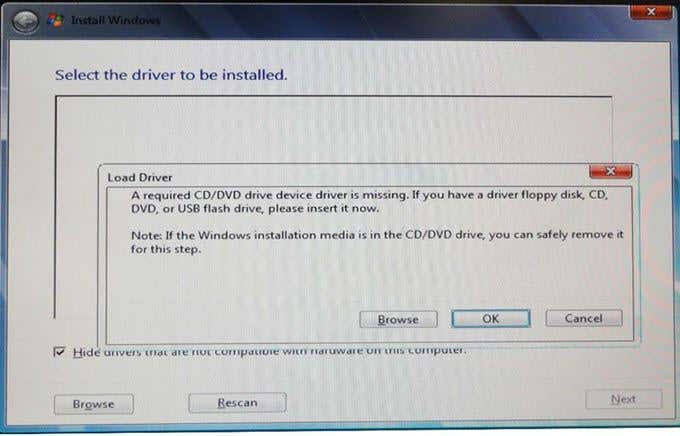
If yous haven't washed and so already, plug in the flash bulldoze that contains your Raid Drivers and the wink drive that contains your Windows ISO, navigate to the drive and binder where the driver is stored and hit OK. Your screen should expect like this:
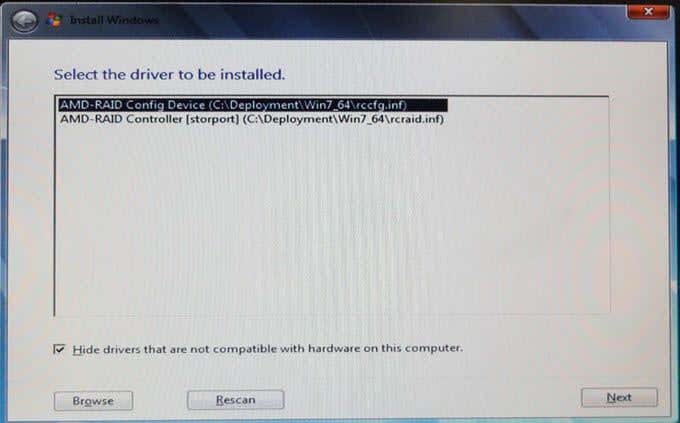
Select the drivers you need for the installation then click on Adjacent. After doing this your screen will prompt you to select the drive y'all desire to install your new Windows 10 Operating system on and so click on Next once more. Your screen will look like this:
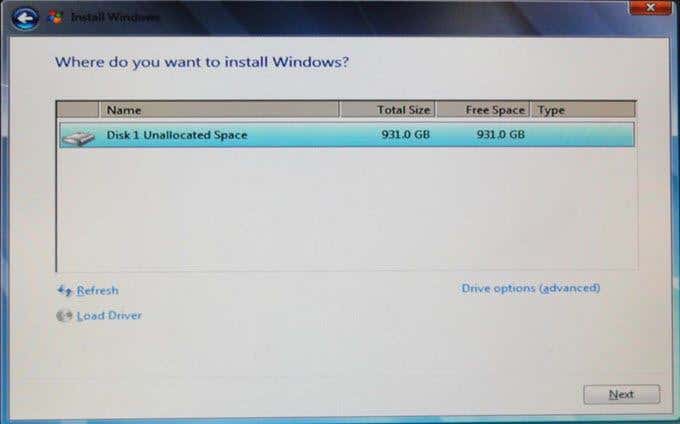
Your operating organisation will now begin installing. From here, you should be completely set up in whichever raid configuration (0 or one) you chose. If yous have whatsoever questions or if you lot need further elaboration on a specific part of the procedure let me know and I volition become back to y'all immediately!
Savour the world of redundant arrays of independent disks (RAID).
Practise not share my Personal Information.
Source: https://helpdeskgeek.com/how-to/how-to-install-and-configure-raid-drives-raid-0-and-1-on-your-pc/
Posted by: klingtabounce1940.blogspot.com
0 Response to "How To Setup Raid 1 Without Reinstalling Windows"
Post a Comment